
The Center for Harm Response serves as the national authority in advancing better responses after harm in healthcare.
To serve as the nation’s leading authority and catalyst for advancing optimal responses after harm in healthcare.
When healthcare causes harm, patients, families, and clinicians always get the support they need, and organizational responses drive healing, learning, safety, and trust each and every time.
As a non-profit led by clinicians, our work and the costs of our offerings are driven by advancing knowledge, improving care, and serving the public good, rather than by a need to maximize shareholder returns. Any revenue earned is reinvested into our programs, research, education, and innovation to improve patient safety and healthcare quality, amplifying our collective impact.
We are unique in that our national programs and services are built and led by people who have been harmed by healthcare or have long-standing professional experience responding to harm from healthcare, including: patients, families, clinicians, patient safety and risk professionals, healthcare organization leaders, claims professionals, both defense and plaintiff legal professionals, and insurers.
We deliver highly-rated, practical, evidence-informed education and training that equips professionals and leaders to communicate with integrity, lead change, and strengthen a culture of safety and trust. We help to build lasting local capacity rather than dependency. We continually refine our approach through participant feedback and real-world learning.
Our practical experience informed by our academic background ensures independence, scientific rigor, and credibility, making us a trusted partner for organizations seeking evidence-based, ethically grounded solutions. Our approach means that our programs and the guidance we provide stand up to scrutiny, strengthening your organization’s reputation and trustworthiness.
We collaborate with all of the parties who have interests in harm response, building bridges and forming partnerships around learning and improvement. Our role as an expert facilitator enables our inclusive, multi-disciplinary coalition.
Our goal is not just to provide tools, but to advance the science and practice of safer, more trustworthy care across the healthcare system.
To address this, he brought together colleagues from around the country who shared a commitment to improving how healthcare organizations respond when harm occurs.
What began in 2013 as the Collaborative for Accountability & Improvement has evolved into a national organization focused on helping healthcare organizations put those ideas into practice with support from experts at the Armstrong Institute for Patient Safety and Quality and the University of Washington.
The Center for Harm Response Staff
Board of Directors
Past Board Members
We thank our past Board members for their contributions to our mission
Brian Atchinson
Former Board President, President and CEO, MPL Association
Richard Boothman, JD
Partner and Strategic Consultant, Press Ganey
Jeffrey Catalano, JD
Partner, Keches Law Group, P.C.
Cheryl M. De Kleine Callaghan, Esq.
Former Board President, Associate Vice President Claims, Litigation and Clinical Risk Management, Ascension Care Management
Jeffery Driver, Esq.
Former Board President, Principal and Chief Consultant, Soteria Risk Works
Kimberly Gregory, MD, MPH
Vice Chair of Women’s Healthcare Quality and Performance Improvement, Department of Obstetrics and Gynecology, Cedars Sinai
Carole Hemmelgarn, MS, MS
Patient Advocate | Director, Executive Master’s Program for Clinical Quality, Safety & Leadership at Georgetown University
Ian Jenkins, MD, SFHM
UCSD Hospital Medicine; Chair, Patient Safety Committee
Linda Kenney
Director of Peer Support Programs, Betsy Lehman Center
Uma Kotagal, MBBS, MSc
Emeritus Professor of Pediatrics and Senior Fellow, Cincinnati Children’s Hospital Medical Center
Dahlia Mak, MHA
Healthcare Consultant
Timothy McDonald, MD, JD
Former Board President, Chief Patient Safety and Risk Officer, RLDatix
Julie Morath, RN, MS, CPPS
Former Board President, Healthcare Consultant
Caleshia Myles, MS, BHIT, CPC, CHERS, CBCS
Board Secretary, CHR |Director of Patient Access, Central Scheduling and Verification, MedStar Health
Brian Parker, MD
Former Board President, Chief Quality Learning Officer, Allegheny Health Network
Marcia Rhodes
Director, Clinical Risk Financing at UW Medicine
Kenneth Sands, MD, MPH
Chief Epidemiologist and Patient Safety Officer, HCA
Leilani Schweitzer
Former Board President, Patient and Family Advocate
Michael J. Severyn, Esq.
Regional Claims Executive – Midwest Region, ProAssurance Companies
Heidi Steeves, MHA
Senior Director of Quality and Experience, Washington Permanente Medical Group
Michael Stinson, JM
Vice President, Public Policy and Legal Affairs at Medical Professional Liability Association
Eric Thomas, MD, MPH
Former Board President, Associate Dean for Healthcare Quality, McGovern Medical School, University of Texas Health Science Center at Houston
Affiliated Experts
A select group of trusted collaborators who partner with us to actively advance the mission of the Center for Harm Response through teaching, research, innovation, program delivery, and thought leadership.
Our Sponsors
We are grateful for the vision and partnership of our sponsors.


If you’re looking to build, strengthen, or advance the response to harm, we’re here to help.

Ellen Flynn is a patient safety and healthcare quality leader with extensive experience helping healthcare organizations build systems that promote learning, transparency, and safer care.
For more than a decade, Ellen led the Vizient Patient Safety Organization (PSO), working with healthcare organizations to strengthen patient safety and organizational learning. Her expertise includes Just Culture, High Reliability, Human Factors, safety culture, and the design of Patient Safety Evaluation Systems (PSES) that turn traditionally punitive processes into opportunities for learning and improvement.
Earlier in her career, Ellen led quality, patient safety, and regulatory programs at Rush System for Health, Children’s Hospital of Wisconsin, Universal Health Services, and Sentact. She is a Patients for Patient Safety Champion and a member of the Guardians and is passionate about advancing open communication with patients and families and creating psychologically safe environments for healthcare professionals.
Ellen earned her BSN and JD from Loyola University Chicago and her MBA from DePaul University.

Thomas H. Gallagher, M.D., MACP is a general internist and Executive Director of the Center for Harm Response. He has authored more than 160 peer-reviewed articles and book chapters in leading journals, focusing on the intersection of healthcare quality, patient safety, communication, and transparency. In 2017, his work advancing Communication and Resolution Programs was recognized with the receipt of the John M. Eisenberg Patient Safety and Quality Award for Individual Achievement, presented by the National Quality Forum and The Joint Commission.
Dr. Gallagher has faculty appointments at the University of Washington (Professor of Medicine and Professor of Bioethics & Humanities) and at Johns Hopkins University (Research Professor, Johns Hopkins Berman Institute for Bioethics).
Dr. Gallagher earned his medical degree from Harvard University, completed his Internal Medicine residency at Barnes Hospital, Washington University in St. Louis, and trained as a Robert Wood Johnson Clinical Scholar at the University of California, San Francisco.

Melissa Parkerton is Deputy Director of The Center for Harm Response, leading national initiatives to strengthen Communication and Resolution Programs (CRPs) that promote transparency, learning, and healing after patient harm. She also directs the Pathway to Accountability, Compassion, and Transparency (PACT) Collaborative and Leadership and Innovation Network, guiding healthcare organizations in implementing reliable harm response processes.
With over 30 years in patient safety, quality improvement, and nonprofit leadership, Melissa has held roles with Ariadne Labs, the Oregon Patient Safety Commission, the Public Health Institute, and UCLA/RAND. Her background spans program design, collaborative learning, and executive leadership during organizational transitions. Passionate about centering patients, families, and care teams in harm response, she brings a commitment to empathy, accountability, and lasting system improvement to every project.
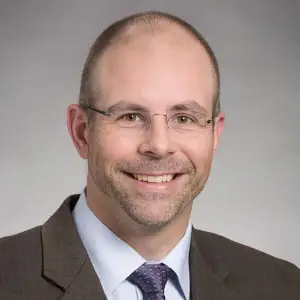
Lauge Sokol-Hessner, MD, CPPS, is a hospitalist and Deputy Director for the Center for Harm Response. In his role he co-develops the Center’s educational programs and practical tools, leads national post-harm measurement efforts, produces scholarship, synthesizes the evidence about harm response, mentors emerging leaders in the field, and supports the Center’s growth and operations.
Dr. Sokol-Hessner is an Associate Professor of Medicine at the University of Washington, QI Mentor at the UW Medicine Center for Scholarship in Patient Care Quality and Safety, speaker and consultant for the Institute for Healthcare Improvement, and a guest speaker for the Harvard Medical School Masters in Healthcare Quality and Safety (HMS MHQS). He completed medical school and residency at the University of Pennsylvania, and has operational quality & safety experience as a former Senior Medical Director of Patient Safety at Beth Israel Deaconess Medical Center. Beyond harm response, he regularly teaches about healthcare quality, patient safety, and leadership, championing patient and family engagement, ethics, humanism, and respect in health care.
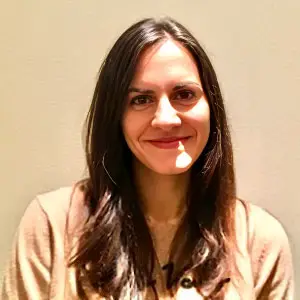
Prior to joining the Collaborative for Accountability and Improvement, Sasha served in various compliance, policy, strategy, and quality improvement roles for Providence and Legacy Health, leading regulatory and accreditation activities grounded in promoting and strengthening quality and patient safety.
In addition to her work within health systems, Sasha is also an adjunct faculty instructor teaching Health Administration courses, and was newly appointed to the Task Force for Resolution of Adverse Healthcare Incidents in Oregon. Sasha completed her PhD in Health Systems & Policy from the OHSU-PSU School of Public Health in 2024, where she focused her research on patient safety and non-physical harm within the context of regulatory influences and organizational culture.

Maxine brings a foundation in public policy, program development and evaluation, and communications to her work at CAI. Prior to joining the University of Washington, she served in various roles in the Government of Ontario, contributing to the development and implementation of policies and programs in the province’s healthcare and postsecondary education systems. She holds a MSc in Public Policy from University College London.
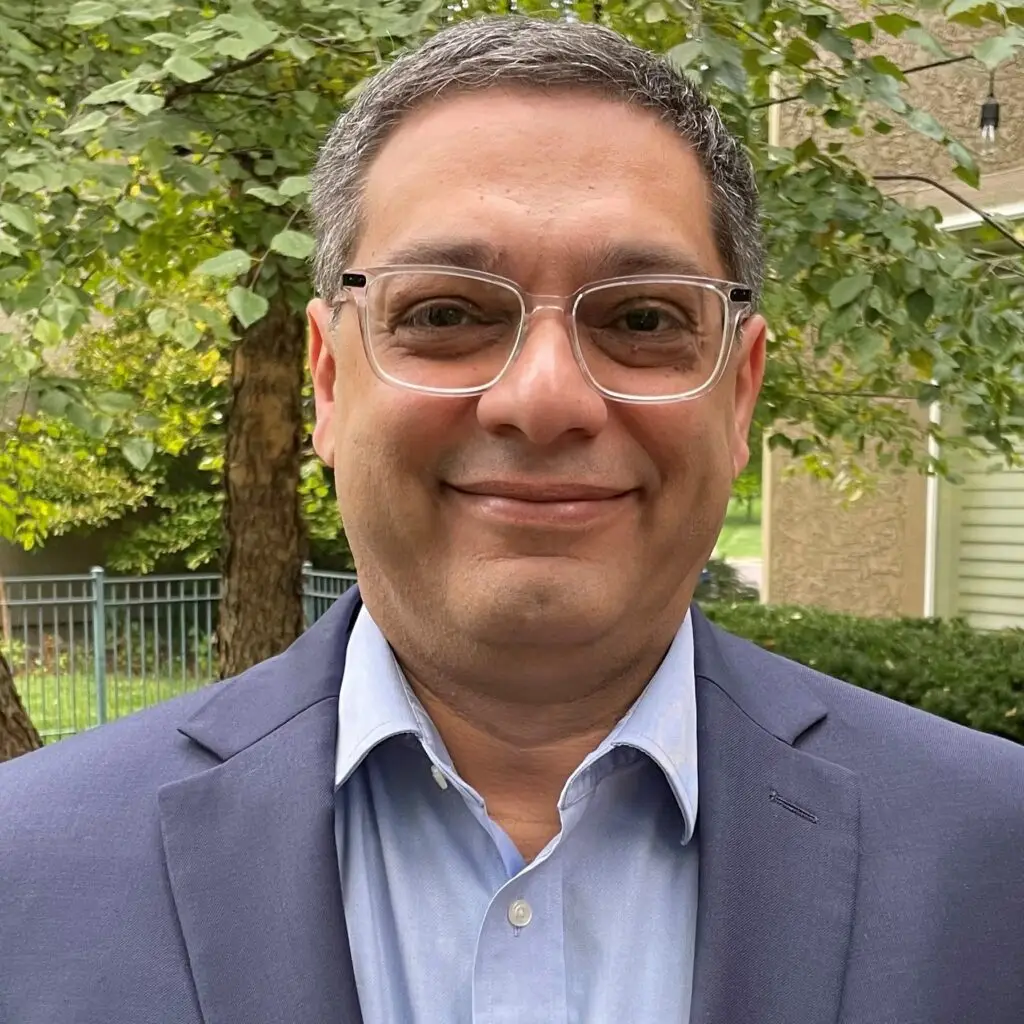
Board President-Elect, CHR | Vice President and Chief Risk Officer, Baystate Health
Abdul has spent most of his professional career in healthcare working with patients and healthcare providers, including direct clinical care and in the trenches advancing patient safety and managing risk.
For more than 15 years in claims, insurance, and risk management at large academic health systems, Abdul’s passion has been the design and implementation of communication and resolution programs in response to unanticipated significant adverse outcomes of care.
A certified professional in healthcare risk management, Abdul is also a licensed California lawyer who received his juris doctor from Santa Clara University. He holds a master’s in public health with a focus on health administration and policy from Oklahoma University, and is a registered professional liability underwriter, with associate designations in enterprise risk management, claims, insurance services, and general insurance, as well as certificates in captive insurance and in strategic decision making and risk management.
Board Member, CHR | Director, Office of Patient Experience, Fred Hutch
Brandelyn Bergstedt is a national leader in patient experience, patient safety, and patient–family engagement, currently serving as Director of Patient Experience at Fred Hutch Cancer Center in Seattle, WA. Her career in healthcare advocacy was shaped by lived experience: a medical error during preterm labor that would have cost her daughter’s life had Brandelyn not advocated to change the medical plan. That experience sparked an unwavering commitment to ensuring that patient and family voices meaningfully shape healthcare delivery.
Beyond operational leadership, Brandelyn has contributed to peer‑reviewed literature on patient‑centered communication, disclosure and resolution following adverse events, patient-centered pathology reports, and experience‑based co‑design.

Kathleen Flynn Peterson is a nationally recognized trial lawyer and former registered nurse dedicated to advocating for individuals and families affected by medical negligence. Her unique medical and legal background, combined with a deep commitment to her clients, has made her a leading voice in pursuing justice for those who have experienced serious injury or loss. She is particularly known for her work in birth injury, birth trauma, cerebral palsy, and other complex medical negligence cases.
Kathleen’s exceptional advocacy has earned her membership in some of the nation’s most prestigious trial lawyer organizations, including the American College of Trial Lawyers, the American Board of Trial Advocates, the International Society of Barristers, and the International Academy of Trial Lawyers. She is also a certified Civil Trial Specialist and a frequent lecturer on trial advocacy and litigation strategy. A respected leader in the legal profession, Kathleen served as president of both the Minnesota Association for Justice and the American Association for Justice, the nation’s largest plaintiffs’ trial bar. Her many honors include repeated recognition as a Minnesota Super Lawyer, a Lawdragon 500 Leading Lawyer in America, and a Benchmark Litigation Top 250 Woman in Litigation.

Board Immediate Past President, CHR | Professor of Anesthesiology, University of Minnesota and Chief Clinical Risk Officer, University of Minnesota Physicians
Barbara Gold, MD, MHCM, FASA is a Professor of Anesthesiology at the University of Minnesota and Chief Clinical Risk Officer for University of Minnesota Physicians.
Based on a longstanding interest in patient safety, she is implementing a communication and resolution program for medical staff, trainees, patients and families in partnership with Risk Management for the practice plan and the University of Minnesota School of Medicine.

Board Treasurer-Elect, CHR |Vice President of Patient Safety and Quality for the Johns Hopkins Health System, Principal Faculty Member for the Johns Hopkins Medicine Armstrong Institute for Patient Safety and Quality
Angela Green, PhD, RN, CPHQ, FAAN serves as the Vice President of Patient Safety and Quality for the Johns Hopkins Health System and a principal faculty member for the Johns Hopkins Medicine Armstrong Institute for Patient Safety and Quality.
She also holds a faculty appointment in the Johns Hopkins School of Nursing. Angela began her healthcare career as a registered nurse and has subsequently held a number of roles including advanced practice nurse, Director of Professional Practice, Vice President of Performance Improvement, and Chief Patient Safety and Quality Officer before assuming her current role.
In her current role, she is responsible for ensuring a culture of high reliability, leading efforts to learn from and eliminate preventable harm, and advancing clinical excellence across the continuum of care. She has led the implementation of communication and resolution programs across Johns Hopkins Medicine.

Carmella Gutierrez is a healthcare communications and public affairs leader with more than 25 years of experience helping organizations improve health outcomes, strengthen communities and build trust. She has held senior leadership roles with leading healthcare organizations, including Bon Secours Mercy Health, HCA Healthcare, Kaiser Permanente and Dignity Health, where she led strategic communications, community engagement, reputation management and stakeholder relations efforts.
A longtime advocate for improving access to care, Carmella previously served as president and CEO of Californians for Patient Care, a nonprofit organization that connected hundreds of thousands of Californians with low-cost and free healthcare resources.
She is passionate about advancing compassionate, evidence-based approaches that reduce harm, improve quality of life and create healthier, more resilient communities.

Senior Vice President of Patient Safety and Quality, Johns Hopkins
With nearly 20 years in medicine, Dr. Kachalia has focused on eliminating preventable harm, improving patient outcomes and patient experience, and curbing waste in health care delivery.
Dr. Kachalia was formerly the chief quality officer and vice president for quality and safety at Brigham and Women’s Hospital in Boston, where he oversaw inpatient and ambulatory quality and safety initiatives. He was also a general internist, an associate professor of medicine at Harvard Medical School, and an associate professor of health policy and management at the Harvard T.H. Chan School of Public Health.
His research has focused on how the law affects medical care, particularly how liability system reform and the disclosure of medical error relate to the quality and safety of health care.

SVP, Membership and Business Development, MPL Association
David Kinard is a former Chief Revenue Officer, SVP of Business Development, and a grower of companies and communities. He is an award-winning, and nationally published business leader with significant experience in healthcare, insurance, marketing, and sales management, as well as non-profit and cause-related marketing, community development, and business transformation.
David taught marketing strategy at two university MBA programs for ten years and is a regular conference/keynote speaker. His Board Member experience includes Alestri Insurance Company, Physicians Care Alliance, and Intiman Theater.
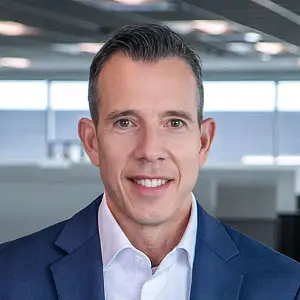
Vice President of Claims, Copic
Doug Mason is Vice President of Claims for COPIC Insurance Company and brings thirty years of experience in the management of professional liability claims. This experience includes the management of complex medical malpractice claims nationwide from both an underlying as well as excess exposure. He has spent his entire career in claims with experience in all lines of professional liability.
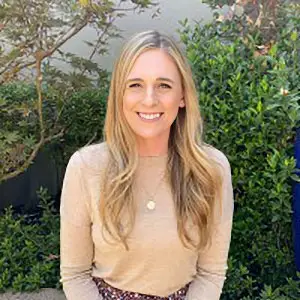
System Director of Patient Safety – Performance Improvement, CommonSpirit Health
Beth Miller, MAOM-L, BSN, RN, CPXP is a seasoned healthcare leader with two decades of experience spanning patient safety, risk management, and patient experience.
She currently serves as System Director of Patient Safety – Performance Improvement at CommonSpirit Health, where she leads systemwide initiatives in high reliability, safety culture, and event response, including CANDOR and peer support programs.
Previously, Beth served as Director of Patient Experience at Dignity Health’s Bakersfield Memorial Hospital, where she led efforts that elevated HCAHPS scores from the 23rd to 78th percentile. Her career has included leadership roles in risk management, NICU nursing, and graduate nurse residency programming.
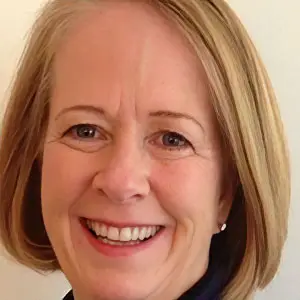
Board President, CHR |Healthcare Consultant | Former Patient Safety Officer
Barbara is an industry leader in the realm of patient safety and the successful implementation of transformative, large-scale initiatives that produce safer patient care, highly engaged teams, and reduced costs. She recently retired as the Patient Safety Officer at CommonSpirit Health, one of the U.S.’s largest nonprofit healthcare systems.
She’s a results-driven leader who values collaboration, co-creation, investing in her team, and involving stakeholders to achieve the best results. At CommonSpirit Health, she spearheaded the system-wide spread of perinatal safety, high reliability, CANDOR (Communications AND Optimal Resolution), and Just Culture.

Founder and CEO, STR Solutions Consulting
Lyndsey Pond is a healthcare executive with more than 16 years of experience in patient safety, quality improvement, operational excellence, and healthcare transformation across hospitals, health systems, ambulatory care, and community-based healthcare organizations.
Her work has focused on helping healthcare organizations learn from patient safety events and strengthen systems of care. Lyndsey has conducted root cause analyses, taught patient safety and improvement methodologies, supported leaders and care teams following adverse events, and led large-scale initiatives to improve safety, quality, reliability, and organizational learning.
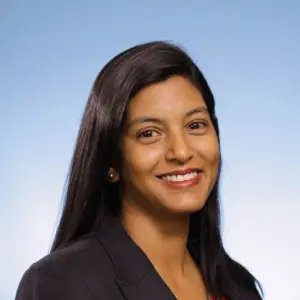
Professor of Medicine, UCSF Division of General Internal Medicine | Associate Director, UCSF Center for Vulnerable Populations
Urmimala Sarkar MD, MPH, is a Professor of Medicine at UCSF in the Division of General Internal Medicine and Associate Director of the UCSF Center for Vulnerable Populations. She is a general internist and primary care physician at Zuckerberg San Francisco General Hospital and Trauma Center’s Richard Fine People’s Clinic.
Dr. Sarkar is an expert in outpatient safety, including diagnostic safety, health information technology, and health disparities. Along with leading patient safety improvement efforts in safety-net health systems that care for low-income and ethnically diverse patients, Dr. Sarkar served on the Institute of Medicine’s Committee on Improving Diagnosis and advised the California State Department of Health Services and the National Quality Forum on measurement of outpatient safety, among other thought-leadership activities in this field.
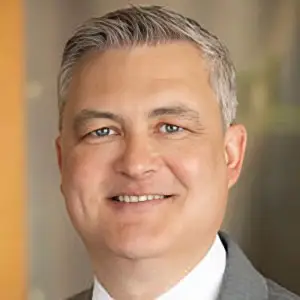
Board Treasurer, Collaborative for Accountability and Improvement | Chief Strategy Officer, Helio Risk
Kyle Sweet is Chief Strategy Officer at Helio Risk. Prior to that, he was an Oklahoma-based defense lawyer represents healthcare providers in catastrophic injury cases around the United States.
Kyle teaches in medical schools, dental schools and teaches seminars regularly to healthcare providers on how to avoid litigation by improving quality of care through more effective communication. Kyle is proud to serve on the CAI and looks forward to helping make Communication Resolution Programs the industry standard.
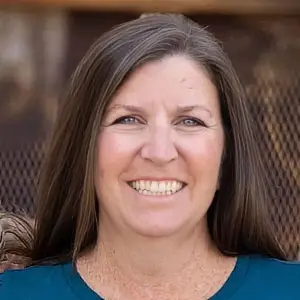
Patient and Family Advocate
Deahna Visscher is a mother that lost her infant son, Grant Lars Visscher, when he was 11 days old due to an avoidable medical error in 2008. Through her patient safety journey, she became a parent partner on the Patient Safety Committee at the hospital that he died at, became a member on the American Society of Parenteral and Enteral Nutrition (ASPEN) sub-committee NOVEL (seeking New Opportunities for Verification of Enteral tube Location) as well as a member of the Patient Safety Movement Foundation.

Director of the Center for Health Services and Outcomes Research, Johns Hopkins
Albert W. Wu is a practicing general internist and Fred and Julie Soper Professor of Health Policy & Management and Medicine at Johns Hopkins. He is director of the Center for Health Services and Outcomes Research.
He has worked in patient safety since the 1980s, was a member of the IOM Committee on Preventing Medical Errors, and was Senior Adviser for Patient Safety at WHO from 2007-2009. He is director of Strategic Collaborations for the Armstrong Institute. He also leads the online Masters of Applied Science in Patient Safety & Healthcare Quality, and is Editor-in-Chief of Journal of Patient Safety and Risk Management. He is co-founder and co-director of the RISE (Resilience in Stressful Events) peer support program.
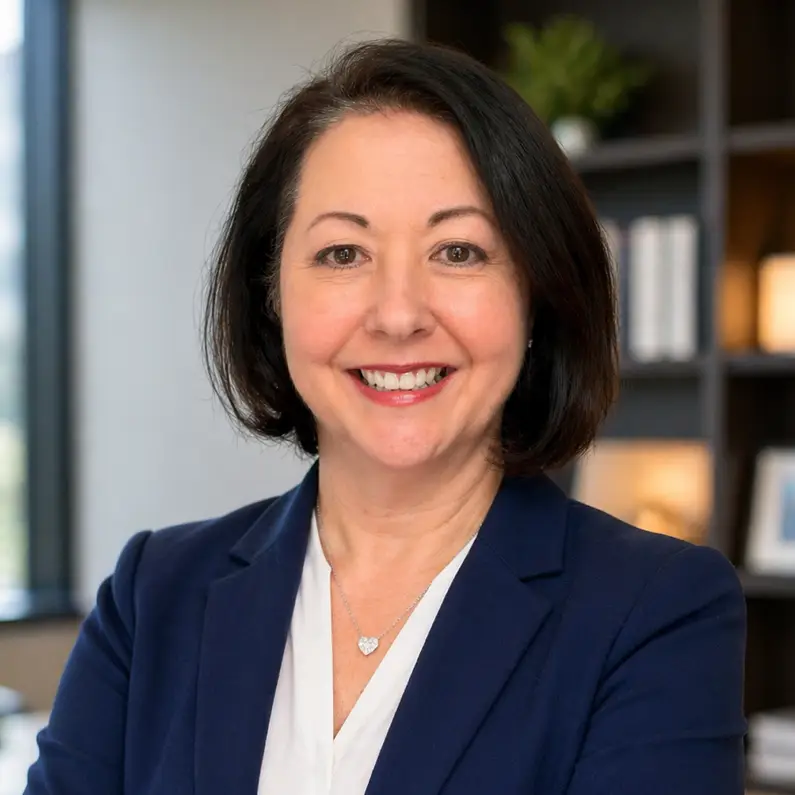
Executive Director, Risk Management, UW
Liane has more than 25 years of experience in the areas of risk management, patient safety and patient relations. She is currently the Executive Director of Risk Management at the University of Washington.
Liane is accomplished in risk financing, liability claims management, and enterprise risk management. She graduated from Washington State University with a degree in Business Administration and holds post-graduate degrees in Healthcare Administration and Business Administration from the University of Maryland University College.

Vice President and Chief Compliance and Risk Officer, UW
Jane Yung is Vice President of Compliance and Risk Services and the Chief Compliance and Risk Officer for the University of Washington, where she has worked since 2017. In her current role, Jane oversees Civil Rights Compliance. Previously, she served for 14 years as counsel to the University, and as past president of the Washington State Society of Healthcare Attorneys. Jane earned her juris doctor from the University of Washington School of Law

Accomplished leader in patient safety and healthcare innovation with a background in cultural anthropology and formal training through the AHA‑NPSF Patient Safety Leadership Fellowship. Her career spans creation and oversight of national publications, learning collaboratives, and educational programs with the National Patient Safety Foundation, the Institute for Healthcare Improvement, and her consulting practice, The Papilio Network. She also serves as Strategic Advisor to the Mid‑Atlantic Patient Safety Center.
A seasoned speaker and facilitator, Allison has designed and led workshops, programs, and strategic convenings across the U.S. and internationally. She is passionate about creating meaningful, experience‑based learning environments that apply safety and quality improvement tools in real‑world settings. Known for her ability to translate vision into strategy and guide high‑impact implementation, she brings deep expertise in leading initiatives that improve patient safety and quality across the healthcare continuum.
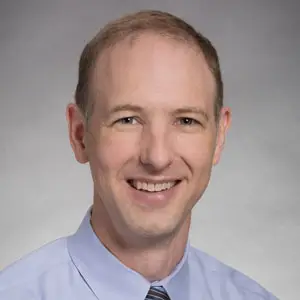
Professor in the Departments of Medicine and Biomedical Informatics & Medical Education (BIME) at the University of Washington, where he directs the UW Center for Scholarship in Patient Care Quality and Safety. Board‑certified in Internal Medicine and Clinical Informatics, Dr. White practices clinically as a hospitalist at UW Medical Center and serves as the university’s Assistant Chief Clinical Information Officer, focusing on clinical decision support and AI deployment.
Dr. White has extensive experience in research and education related to communication after harm. He leads graduate medical education instruction for harm communication at UW and pioneered software simulation tools for communication skill development that facilitate Communication and Resolution Program (CRP) adoption. His scholarship includes contributions to the evolution of CRPs, patient safety, clinician well‑being, and clinical informatics.
Vice President of Patient Safety and Quality for the Johns Hopkins Health System and faculty in the Armstrong Institute for Patient Safety and Quality. In her current role, she ensures a culture of high reliability, leads efforts to eliminate preventable harm, and advances clinical excellence across the continuum of care.
A nationally recognized expert, Dr. Green has led transformational work creating an integrated approach to patient safety, quality, and service across Johns Hopkins Medicine. A centerpiece of her work has been leading the design and implementation of an integrated event‑management approach, including the Johns Hopkins Medicine Communication and Resolution Program, establishing a transparent, learning‑focused, and supportive framework for responding to safety events for patients, families, and care teams.
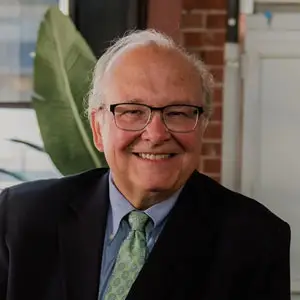
Attorney and former Chief Risk Officer at the University of Michigan, Rick Boothman developed the “Michigan Model,” a principled, transparent approach to responding to patient harm. For over 20 years, he defended healthcare professionals in malpractice litigation before joining Michigan in 2001 with a vision to replace the “deny and defend” culture with safety improvement and honesty. His approach reduced litigation and inspired better safety reporting, staff morale, and patient satisfaction.
National attention followed, including Senate testimony, proposed legislation, and an AHRQ study culminating in the CANDOR toolkit. In 2010, The Annals of Internal Medicine documented its benefits. After retiring in 2018, Rick founded Boothman Consulting Group, guiding health systems through CRP adoption. He holds academic appointments at the University of Michigan Medical School and Vanderbilt University Medical Center and is a frequent speaker and author on legal, risk, and patient safety topics.

Practicing internal medicine physician and attorney based in Seattle, specializing in advising healthcare institutions on harm event response and Communication and Resolution Program (CRP) design. Drawing on dual expertise in medicine and law, she guides organizations in implementing reliable CRPs grounded in empathy, respect, and transparency.
Caitlin engages in both institutional and policy initiatives to advance CRP adoption nationally. She believes CRPs are the future of harm response in healthcare and works to encourage their use across the country.

Healthcare administrator and consultant with over 20 years’ experience, currently Principal of Lucida Health Strategies and Senior Consultant with Ellit Groups. Previously a Managing Director in the Lean Healthcare Practice at Moss Adams and Vice President at Rona Consulting Group, she was certified through Shingijutsu and part of one of the first U.S. teams to apply Lean management in healthcare, achieving groundbreaking improvements.
She has led quality improvement initiatives, harm response programs, and leadership development in large health systems, academic medical centers, and public health departments. Her contributions include work with the National Quality Forum’s HARM Initiative and designing Virginia Mason Medical Center’s nationally recognized patient safety program. Dahlia specializes in improvement science, change management, and strategy operationalization, partnering with executives and multidisciplinary teams to enhance safety and quality at the point of care. She holds a BA from the University of Washington and an MHA from the University of Southern California.

Executive Director for Patient Safety and Quality at Johns Hopkins Health System, leading improvements across six hospitals, home care, surgical centers, and ambulatory clinics since 2023. Formerly Senior Corporate Director for Quality and Safety at Mass General Brigham, she is known for authentic leadership, urgency in ambiguous situations, and humor in motivating teams.
Diane’s career includes consulting, engineering, and investment banking, consistently driving efficiency and effectiveness. She holds a BS in Engineering from the University of Illinois and an MBA from Harvard Business School, applying engineering quality principles to healthcare improvement. She serves on CMS’s Pre‑Rulemaking Clinician Quality Measure Committee, mentors healthcare leaders, advises startups, and balances professional life with raising five children alongside her husband of nearly 35 years.
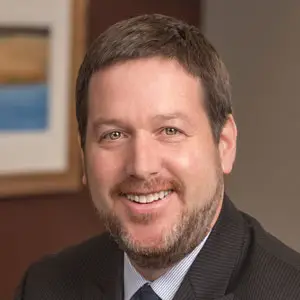
Director of Community Innovation at Ariadne Labs and Associate Professor at Harvard Medical School and Harvard T.H. Chan School of Public Health. A national leader in healthcare delivery improvement, Dr. Benjamin focuses on quality, safety, transparency, and efficiency. He has pioneered Communication and Resolution Programs, co‑chairing the Massachusetts Alliance for Communication and Resolution after Medical Injury (MACRMI).
For over 20 years, he served as Senior VP and Chief Population Health Officer at Baystate Health, co‑founding the Center for Quality of Care Research and TechSpring innovation center. Earlier, he worked as an epidemiologist with the Indian Health Service. He currently serves on boards of UMass Memorial Health System and Commonwealth Professional Assurance Co. Dr. Benjamin earned a BA from Williams College, an MD from Case Western Reserve University, and an MS from Dartmouth College, completing his internal medicine residency at Yale‑New Haven Hospital.
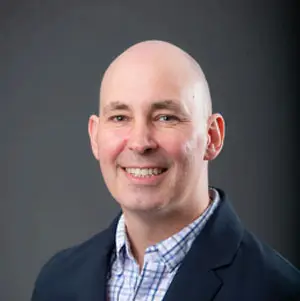
System Vice President of Risk Management at Dartmouth Health, leading its PACT/CRP program. Active in ASHRM, Frank serves on the New Member Committee and on the boards of NNESHRM and MSHRM. He has spoken nationally and regionally on risk operations, metrics, dashboards, and CRPs.
Recipient of the 2022 MSHRM “Risk Professional of the Year” award, Frank is a multi‑year engagement champion and mentor at Dartmouth Health.
Recently retired healthcare leader with over 25 years in patient safety and clinical risk management. Formerly System Director for Providence Health, she oversaw safety and risk for 51 hospitals and over 1,000 clinics in seven states.
Shannon began as a critical care nurse before moving into administration, becoming renowned for implementing early resolution strategies for adverse outcomes and resolving hundreds of cases without litigation. She is a member of ASHRM and continues speaking and consulting on patient safety and risk topics.
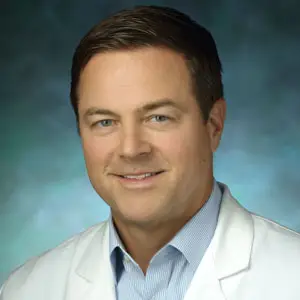
Chief Medical Officer of Johns Hopkins Children’s Center and Associate Professor of Anesthesiology, Critical Care Medicine, and Pediatrics at Johns Hopkins University School of Medicine. He trained at Children’s National Medical Center (CNMC), completing pediatric residency, chief residency, and pediatric critical care fellowship before serving 14 years as PICU attending physician.
At CNMC, he served as PICU Medical Director, Medical Director for Patient Safety, Executive Director of Improvement Science, and President of the Medical Staff. He earned his MBA from George Washington University during his tenure. Joining Johns Hopkins in 2019, he became CMO in 2021. Dr. Stockwell has authored over 80 publications and delivered more than 100 invited talks. Recognition of his work includes eliminating PICU bloodstream infections, prioritizing unplanned extubations nationally, and developing the Pediatrics on Hand web application.
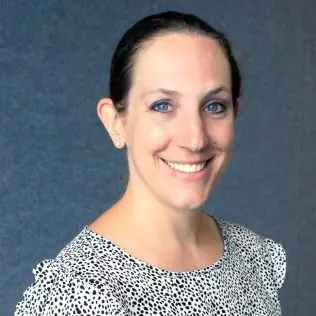
Melinda Van Niel, MBA, CPHRM has been working to help resolve medical adverse events through Communication and Resolution Programs (CRPs) for almost 15 years. She is currently the Director of Communication Apology and Resolution (CARe) Programs at the Betsy Lehman Center for Patient Safety in Massachusetts and is an independent consultant for hospitals and healthcare systems implementing rigorous CRP programs throughout the country.
She previously managed the Massachusetts Alliance for Communication and Resolution following Medical Injury (MACRMI) and led its CARe implementation team. She also worked as the Manager of Patient Safety at Beth Israel Deaconess Medical Center in the department of Healthcare Quality where she built one of the first Communication, Apology, and Resolution (CARe) programs in the state, and was a contributor and advisor to the AHRQ’s CANDOR Toolkit.
Melinda received her Bachelor of Arts degree from Harvard University and her Master’s in Business Administration from Villanova University with a concentration in health care management.

Julie Morath is an affiliate faculty member in the Division of General Internal Medicine at the University of Washington School of Medicine and an executive coach and consultant on leadership, patient safety and quality improvement. Her background includes clinical, executive and academic positions in a broad range of healthcare settings nationwide.
In addition to her consulting work, Ms. Morath serves on numerous governance and advisory boards of national and international impact. She is a founding and current member of the Lucian Leape Institute of the Institute for Healthcare Improvement. As President and CEO of the Hospital Quality Institute of California, she led the transparency initiative for over 400 hospitals and health systems, receiving the Beau Biden Humanitarian Award for this successful effort. She is the inaugural recipient of the John M. Eisenberg Patient Safety Award and has authored two books and contributed more than 70 chapters and peer reviewed publications.
Ellen Flynn is a patient safety and healthcare quality leader with extensive experience helping healthcare organizations build systems that promote learning, transparency, and safer care.
For more than a decade, Ellen led the Vizient Patient Safety Organization (PSO), working with healthcare organizations to strengthen patient safety and organizational learning. Her expertise includes Just Culture, High Reliability, Human Factors, safety culture, and the design of Patient Safety Evaluation Systems (PSES) that turn traditionally punitive processes into opportunities for learning and improvement.
Earlier in her career, Ellen led quality, patient safety, and regulatory programs at Rush System for Health, Children’s Hospital of Wisconsin, Universal Health Services, and Sentact. She is a Patients for Patient Safety Champion and a member of the Guardians and is passionate about advancing open communication with patients and families and creating psychologically safe environments for healthcare professionals.
Ellen earned her BSN and JD from Loyola University Chicago and her MBA from DePaul University.